

Key Takeaways
- Your brain needs specific nutrients like omega-3 fatty acids, antioxidants, and B vitamins to function well as you age.
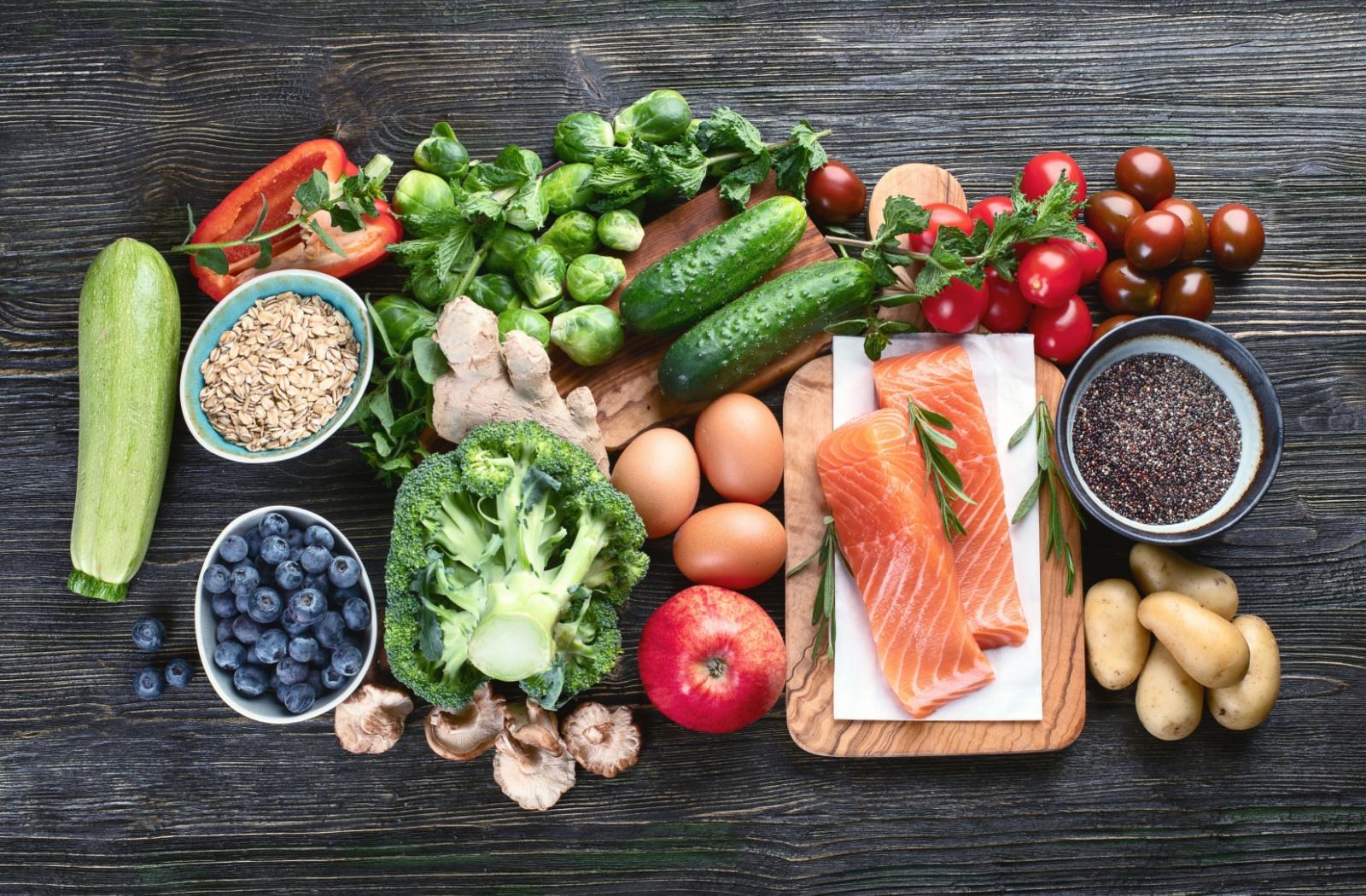
- Fatty fish, colorful fruits and vegetables, nuts, and whole grains can support cognitive health through daily nutrition.
- Small, consistent changes to your eating habits can make a meaningful difference in brain health.
- Senior living communities can help reduce meal planning stress while providing brain-healthy options.
How Food Choices Impact Your Brain Health
The connection between what you eat and how your brain functions becomes more important as you age. Your brain needs specific nutrients to maintain memory, focus, and clear thinking. At The Enclave of Scarborough, we understand that proper nutrition plays a vital role in supporting cognitive wellness for our residents.
What you put on your plate each day can support your brain’s ability to stay sharp and function well. As your body changes with age, it may absorb nutrients differently, making it more important to choose foods that provide the vitamins, minerals, and healthy fats your brain craves. This is why assisted living and memory care services focus on nutritious, brain-supporting meals.
Key Nutrients Your Brain Needs to Function Well
Omega-3 Fatty Acids
These healthy fats help brain cells communicate with each other more effectively. Your brain is made up of about 60% fat, and omega-3s play a crucial role in maintaining the structure of brain cell membranes.
You can find omega-3s in salmon, sardines, mackerel, and plant sources like walnuts and flaxseeds. Adding fish to your meals twice a week or sprinkling chopped walnuts on your morning oatmeal are simple ways to boost your intake.
Antioxidants
These compounds act like bodyguards for your brain cells, protecting them from damage caused by everyday wear and tear. Colorful fruits and vegetables contain different types of antioxidants that work together to keep your brain healthy.
Blueberries, strawberries, spinach, and bell peppers are packed with brain-protective antioxidants. The more colors you include on your plate, the more variety of protective compounds you’re giving your brain.
B Vitamins
Vitamins B6, B12, and folate help your brain make important chemicals that affect mood and memory. These vitamins also support the health of nerve cells and help reduce inflammation in the brain.
You can find B vitamins in eggs, leafy greens, beans, and fortified cereals. If you notice changes in memory or feel more tired than usual, talk with your healthcare provider about whether you’re getting enough B vitamins.
Brain-Boosting Foods to Add to Your Weekly Menu
Fatty Fish and Seafood Options
Salmon, mackerel, and sardines provide the highest amounts of brain-healthy omega-3 fatty acids. Aim to include fish in your meals 2 times per week to get meaningful benefits.
Simple preparation methods like baking with herbs or adding canned salmon to salads help preserve the nutrients while keeping meals easy to prepare. Even canned fish options provide similar brain benefits to fresh varieties. Meal planning guidance can help you incorporate these foods regularly.
Colorful Fruits and Vegetables
Berries like blueberries and blackberries contain compounds that may support memory function. Dark leafy greens provide folate and vitamin K, which help with daily brain nutrition.
Orange and red vegetables like sweet potatoes and carrots contain beta-carotene, which your body converts to vitamin A for brain cell protection. Try to include 3–4 different colored fruits and vegetables in your daily meals.
Nuts, Seeds, and Whole Grains
Walnuts contain the highest amounts of omega-3 fatty acids among tree nuts, while almonds provide vitamin E for brain protection. Seeds like sunflower seeds and pumpkin seeds are easy to add to salads or yogurt.
Whole grains like oats, quinoa, and brown rice provide steady energy for your brain throughout the day. Unlike refined grains, whole grains help maintain stable blood sugar levels that support consistent brain function.
Simple Ways to Improve Your Daily Nutrition
Start by making one small change at a time, like adding berries to your breakfast or choosing fish instead of other proteins once a week. When dining out, look for grilled fish, salads with nuts, or vegetable-rich dishes that provide brain-healthy nutrients.
Meal planning can reduce the stress of daily food decisions while helping you include more nutritious options. Consider preparing simple meals in batches or keeping brain-healthy snacks like nuts and fruits easily accessible. Brain-healthy meal ideas can provide additional support for developing healthy eating habits.

How Senior Living Communities Support Nutritious Eating
Senior living communities often provide chef-prepared meals that incorporate brain-healthy ingredients without requiring you to plan, shop, or cook. This removes the daily stress of meal preparation while providing you have access to nutritious options.
Social dining experiences in these communities can encourage regular eating patterns and make meals more enjoyable. Professional staff understand the nutritional needs of residents and can accommodate different dietary preferences while focusing on brain-healthy choices.
At The Enclave of Scarborough, residents have access to thoughtfully prepared meals that support overall wellness, including cognitive health, while enjoying the social aspects of dining with neighbors and friends in a supportive community environment.
Contact us to schedule a tour and come see how we support cognitive health in person.